


















Yoga Therapy is a personalised approach to yoga and movement that adapts the practice to your body, your needs and your goals. It brings together yoga, functional movement, breathwork, meditation and embodied awareness to support physical, mental and emotional wellbeing.
Whether you're recovering from injury, managing a physical challenge, returning to movement, wanting to improve mobility or simply looking for a more individual approach to yoga, your practice can be adapted to meet you where you are.
You don't need to be flexible, fit or experienced. You just need to be willing to explore.
What can Yoga Therapy support?
Yoga Therapy can be particularly valuable when a conventional group yoga class doesn't quite meet your needs.
Sessions can be adapted to support:
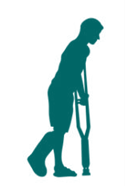
- Injury recovery & rehabilitation
- Prehabilitation & injury prevention
- Mobility, strength & balance
- Hypermobility & joint stability
- Chronic tension & movement restrictions
- Returning to movement after surgery
- Pre- & post-natal movement
- Stress, relaxation & nervous-system regulation
- Developing body awareness
- Deepening an established yoga practice
The focus isn't on achieving a particular pose - It's on understanding your body and finding ways to move that support you.
Your practice, your way
There isn't one “correct” way to practise yoga. Your sessions may incorporate different approaches depending on what your body and mind need on the day.
Yoga & Functional Movement
Develop strength, mobility, balance and body awareness through intelligent, adaptable movement.
Fascia-Informed Movement
Explore the interconnectedness of the body through sensory, mindful and functional movement.
Breathwork & Pranayama
Use the breath as a tool for awareness, regulation and supporting your overall wellbeing.
Meditation & Yoga Nidra
Develop greater relaxation, presence and connection through restorative practices.
Chair Yoga
Accessible yoga and movement for those who prefer or require a supported practice.
Pre- & Post-Natal Yoga
Adapted practices that support the changing needs of pregnancy and the postnatal period.
Partner Yoga
Explore movement, balance, connection and communication with a partner.
Your session may include one or several of these approaches.
From rehabilitation to deeper practice: Yoga Therapy isn't only for people with physical challenges.
You may be:
Recovering: Returning to movement after injury, surgery or a period of inactivity.
Preparing: Building strength, awareness and resilience before physical demands increase.
Adapting: Finding ways to practise that work with your individual body and circumstances.
Deepening: Exploring your established practice with greater anatomical, functional and embodied awareness.
Restoring: Using movement, breath and relaxation to slow down, regulate and reconnect.
Wherever you are in your journey, the practice begins there.
What to expect
Your first session begins with a conversation about your body, movement history, current needs and goals. From there, we'll explore appropriate movement and practices together. Your programme may evolve over time as your body changes, your confidence develops and your goals shift.
You remain an active participant throughout the process.
The aim is not to tell your body what to do, but to help you develop a better relationship with it.
Why HolisticMe?
Yoga Therapy at HolisticMe draws on more than 15 years of experience in holistic health and wellness, combining yoga with contemporary movement science, anatomy, fascia-informed principles, meditation and embodied awareness.
The approach is influenced by both traditional yoga philosophy and modern understanding of movement and the body. This creates a practice that is informed, adaptable and individual — rather than a fixed sequence that everyone is expected to follow.
Initial Assessment & Strategy
R450 | 60-75 minutes
A longer first session to explore your needs, movement history and goals and establish an appropriate starting point.
Individual Session
R350 | 60 minutes
A personalised Yoga Therapy session adapted to your current needs and evolving practice.
5-Session Journey
R1,500 || Save R250
Five sessions to establish, develop and integrate your practice.
10-Session Journey
R3,000 || Save R500
For a deeper, longer-term approach to rehabilitation, movement development or embodied practice.
Yoga Therapy Sessions are by appointment only.


You don't need to know exactly what you need before you start.
If you're unsure whether Yoga Therapy, bodywork, private yoga or another HolisticMe service would best support you, get in touch and we can help you find a starting point.
[I'm Not Sure Where to Start →]
Ready to explore?
[Book a Yoga Therapy Session →]

* info@holisticme.co.za * +27 83 391 1311 (whatsapp)







• Rehabilitation • Prevention
Yoga Therapy is a personalised approach to yoga and movement that adapts the practice to your body, your needs and your goals. It brings together yoga, functional movement, breathwork, meditation and embodied awareness to support physical, mental and emotional wellbeing.
Whether you're recovering from injury, managing a physical challenge, returning to movement, wanting to improve mobility or simply looking for a more individual approach to yoga, your practice can be adapted to meet you where you are.
You don't need to be flexible, fit or experienced. You just need to be willing to explore.
What can Yoga Therapy support?
Yoga Therapy can be particularly valuable when a conventional group yoga class doesn't quite meet your needs.
Sessions can be adapted to support:
- Injury recovery & rehabilitation
- Prehabilitation & injury prevention
- Mobility, strength & balance
- Hypermobility & joint stability
- Chronic tension & movement restrictions
- Returning to movement after surgery
- Pre- & post-natal movement
- Stress, relaxation & nervous-system regulation
- Developing body awareness
- Deepening an established yoga practice
The focus isn't on achieving a particular pose - It's on understanding your body and finding ways to move that support you.
Your practice, your way
There isn't one “correct” way to practise yoga. Your sessions may incorporate different approaches depending on what your body and mind need on the day.
Yoga & Functional Movement
Develop strength, mobility, balance and body awareness through intelligent, adaptable movement.
Fascia-Informed Movement
Explore the interconnectedness of the body through sensory, mindful and functional movement.
Breathwork & Pranayama
Use the breath as a tool for awareness, regulation and supporting your overall wellbeing.
Meditation & Yoga Nidra
Develop greater relaxation, presence and connection through restorative practices.
Chair Yoga
Accessible yoga and movement for those who prefer or require a supported practice.
Pre- & Post-Natal Yoga
Adapted practices that support the changing needs of pregnancy and the postnatal period.
Partner Yoga
Explore movement, balance, connection and communication with a partner.
Your session may include one or several of these approaches.
From rehabilitation to deeper practice: Yoga Therapy isn't only for people with physical challenges.
You may be:
Recovering: Returning to movement after injury, surgery or a period of inactivity.
Preparing: Building strength, awareness and resilience before physical demands increase.
Adapting: Finding ways to practise that work with your individual body and circumstances.
Deepening: Exploring your established practice with greater anatomical, functional and embodied awareness.
Restoring: Using movement, breath and relaxation to slow down, regulate and reconnect.
Wherever you are in your journey, the practice begins there.
What to expect
Your first session begins with a conversation about your body, movement history, current needs and goals. From there, we'll explore appropriate movement and practices together. Your programme may evolve over time as your body changes, your confidence develops and your goals shift.
You remain an active participant throughout the process.
The aim is not to tell your body what to do, but to help you develop a better relationship with it.
Why HolisticMe?
Yoga Therapy at HolisticMe draws on more than 15 years of experience in holistic health and wellness, combining yoga with contemporary movement science, anatomy, fascia-informed principles, meditation and embodied awareness.
The approach is influenced by both traditional yoga philosophy and modern understanding of movement and the body. This creates a practice that is informed, adaptable and individual — rather than a fixed sequence that everyone is expected to follow.
Initial Assessment & Strategy
R450 | 60-75 minutes
A longer first session to explore your needs, movement history and goals and establish an appropriate starting point.
Individual Session
R350 | 60 minutes
A personalised Yoga Therapy session adapted to your current needs and evolving practice.
5-Session Journey
R1,500 || Save R250
Five sessions to establish, develop and integrate your practice.
10-Session Journey
R3,000 || Save R500
For a deeper, longer-term approach to rehabilitation, movement development or embodied practice.
Yoga Therapy Sessions are by appointment only.
You don't need to know exactly what you need before you start.
If you're unsure whether Yoga Therapy, bodywork, private yoga or another HolisticMe service would best support you, get in touch and we can help you find a starting point.
[I'm Not Sure Where to Start →]
Ready to explore?
[Book a Yoga Therapy Session →]


